4960 Corporate Drive NW Suite 100-A Huntsville, AL 35805
 Call Us At: (256) 273-5109
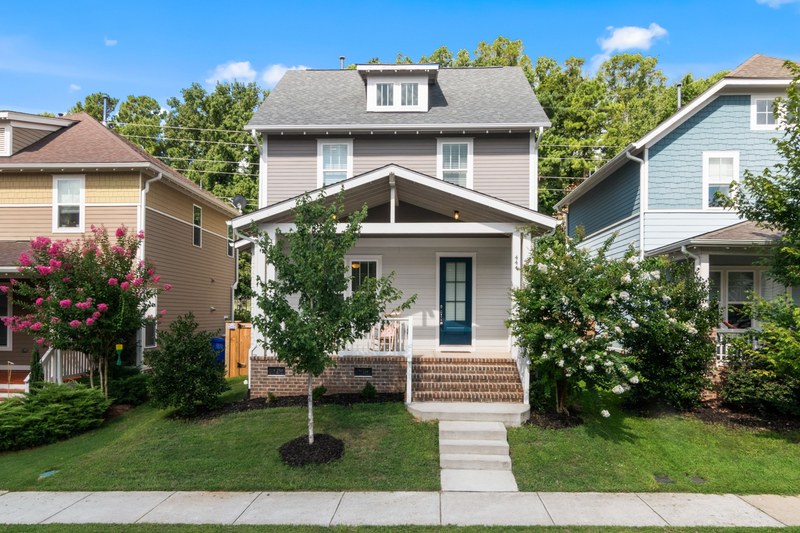
Alabama’s homestead exemption keeps a creditor with a court judgment from forcing the sale of your home, up to a set dollar amount of equity. For 2026 that amount is $18,800 per owner, and $56,400 for an owner who is 62 or older or has a qualifying disability. It applies automatically, covers up to 160 acres, and protects equity rather than the home’s full value. It is real protection, and it is narrower than most families assume.
The Exemption Shields a Set Amount of Home Equity, Not the Whole House
Here is the practical version. A creditor sues your parent, wins, and gets a judgment. To collect, the creditor has to find something to seize and sell. Alabama Code Section 6-10-2 puts the family home partly out of reach: a creditor cannot force a sale unless the equity in the home is above the exempt amount.
Equity is the key word. It means the home’s value minus the mortgage and any liens against it. A home worth $280,000 with a $240,000 mortgage has $40,000 of equity, and only the slice above the exemption is exposed.
Unlike some states, Alabama does not make you file a declaration to claim it. The protection attaches to a resident’s home automatically. You can read the statute itself through the Alabama Legislature’s Code of Alabama portal.
How Much Is the Alabama Homestead Exemption in 2026?
The number printed in the statute is $15,000, and that is not the figure actually in use. Alabama adjusts its exemption amounts for inflation every three years, and the Office of the Alabama State Treasurer publishes the adjusted amounts.
- Standard exemption: $18,800 per owner.
- Owners 62 or older, or with a qualifying disability: $56,400, under a 2026 change to the law that took effect June 1, 2026.
- Next scheduled change: the standard figure steps up to $20,475 for exemptions claimed on or after April 1, 2027.
- Acreage limit: 160 acres, in any configuration.
That jump from $18,800 to $56,400 is substantial for older homeowners, and it is one of the more meaningful changes Alabama has made to creditor protection in years.
Can Both Spouses Claim the Exemption?
Yes. When a married couple jointly owns the home, each spouse may claim the exemption separately, to the same extent as an unmarried owner.
So a couple under 62 who jointly own their home can protect $37,600 of equity between them. A couple where both are 62 or older can protect up to $112,800. That is a different outcome than one owner alone, and it is worth checking how the deed is actually titled rather than assuming. Our post on jointly owned property in Alabama explains why the form of ownership on the deed drives so much of this.
What Debts Does the Homestead Exemption Not Stop?
This is where families get a false sense of security. The exemption works against general creditors with money judgments: credit cards, medical bills, personal loans, most lawsuit awards. It does not touch debts that are secured by the home or imposed by law.
- Your mortgage. A lender holding a mortgage can foreclose regardless of the exemption.
- Property taxes. The county can still sell the property for unpaid taxes.
- Home equity loans and HELOCs. Same as a mortgage; the lien comes first.
- Mechanics’ and materialmen’s liens. Contractors who improved the property have their own claim.
- Federal tax liens. The IRS is not bound by a state exemption.
- Purchase-money debt tied to the home itself.
Put plainly, the exemption protects you from people your parent owes money to in general. It does not protect them from people who have a claim on the house in particular.
Does the Homestead Exemption Protect the Home From Nursing Home Costs?
No, and this is the thing adult children get wrong most often.
The homestead exemption is a creditor rule. Long-term care is a different system entirely. Alabama Medicaid treats the home as an exempt asset during the resident’s lifetime, subject to a federal equity cap, so qualifying for coverage usually does not require selling it. The exposure comes afterward, when the state can pursue estate recovery against the home to recoup what Medicaid paid. You can confirm current program rules with the Alabama Medicaid Agency.
Our post on whether a nursing home can take your house in Alabama walks through how that actually unfolds. The short version is that the homestead exemption does nothing to stop it.
What Happens to the Exemption After the Owner Dies?
The protection does not vanish the moment the owner passes. Under Section 6-10-2, if the owner leaves a surviving spouse, a minor child, or both, the exemption continues during the surviving spouse’s life and through the child’s minority.
Alabama also has a separate probate homestead allowance for a surviving spouse, which is a different rule with its own dollar figure that happens to sit at the same $18,800 today. Two different protections, two different statutes, and families routinely mix them up.
How Do You Protect Equity Above the Exemption?
If your parents own their home outright in Huntsville or Madison, their equity is likely well past $18,800, and in many cases past $56,400. The exemption covers a slice. The rest needs a different tool.
Options include holding investment or rental property in a limited liability company, carrying adequate liability and umbrella insurance, and for the residence, an irrevocable trust such as the Valley Total Protection Trust. Our guide on transferring a house into a trust in Alabama covers the mechanics, and protecting family property from creditors in Alabama compares the options side by side.
Timing governs all of it. Alabama’s fraudulent transfer rules mean moving a house after a claim has surfaced can be undone, and Medicaid’s five-year look-back penalizes transfers made too close to an application. Protection is built before the problem arrives.
Your Questions, Answered
Do I have to file anything to claim the Alabama homestead exemption?
No. The creditor exemption applies automatically to a resident’s homestead. The property tax homestead exemption is separate and does require filing with your county.
Is this the same as the exemption that lowers my property taxes?
No. Three different Alabama rules share the name “homestead”: the creditor exemption, the property tax exemption, and the probate homestead allowance. They have different amounts and different purposes.
Does the exemption cover a mobile home?
It can, where the mobile home serves as the owner’s residence. The acreage and value limits still apply.
What if my parent’s equity is well above the exemption?
A creditor can seek a sale, with the exempt amount paid to your parent out of the proceeds. That is the scenario planning is meant to avoid.
Does the exemption apply to a second home or rental property?
No. It covers the homestead your parent actually lives in, not a vacation house or an investment property.
Find Out How Much of Your Parents’ Equity Is Actually Protected
Most families have never run the math. They assume the house is safe because it has been in the family for decades, and the arithmetic says otherwise.
Valley Estate Planning is the largest firm in North Alabama dedicated to estate planning, with board-certified elder law attorneys, over 200 five-star reviews, and more than 500 families protected. We will look at your parents’ deed, their equity, and their real exposure, then tell you plainly whether they need more than the exemption. Start with our Huntsville asset protection team, then schedule your free 15-minute discovery call.
Reviewed by the Valley Estate Planning team, including board-certified elder law attorneys serving North Alabama. Exemption figures are current for 2026 and are adjusted periodically by the Alabama State Treasurer. This article is general information, not legal advice for your situation.
Author Bio

Brian Moore, L.L.M.
Estate Planning Attorney
Brian represents clients in the areas of Elder Law, Estate Planning, Special Needs Planning, Guardianships and Conservatorships.
As a former Commissioner of the Alabama Medicaid Agency and having obtained an LLM in taxation from the University of Alabama School of Law, Brian is considered a foremost expert in estate planning and elder law in Alabama.
Outside of representing clients, Brian enjoys spending time with his wife and his daughter, exploring North Alabama, and attending their local church and various sporting events, including his daughter’s tennis matches.
Schedule your FREE Consultation Now