4960 Corporate Drive NW Suite 100-A Huntsville, AL 35805
 Call Us At: (256) 273-5109
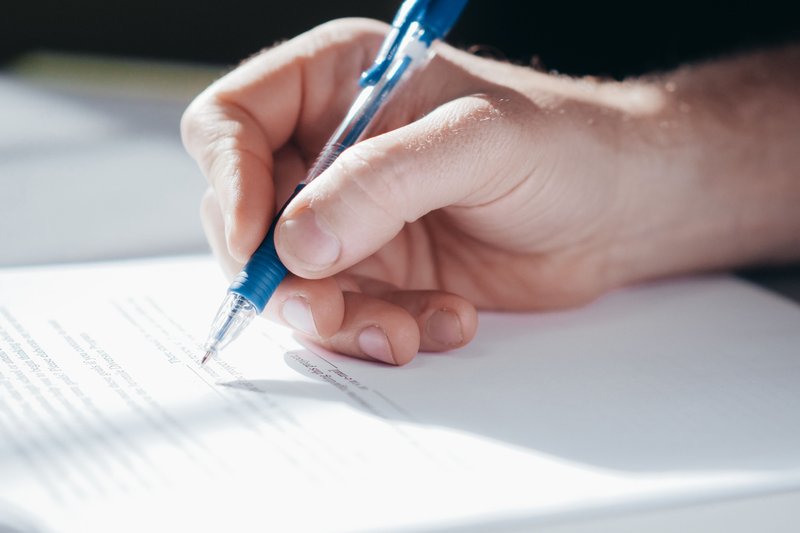
If you wrote your will by hand, whether it holds up in Alabama comes down to one thing. Did two witnesses watch you sign it and then sign it themselves? Alabama law does not make an exception for handwritten wills, so they have to meet the same signing requirements as any other will.
Is a Handwritten Will Legal in Alabama?
Yes, as long as it meets the same requirements as any other Alabama will. The law doesn’t care whether a will is typed, printed from software, or written by hand. It cares about how the will was signed.
What Alabama doesn’t accept is a holographic will, meaning a will written in your own handwriting and signed by you, but with no witnesses. Some states allow those. Alabama does not.
So a handwritten note signed only by you, no matter how clear or heartfelt, generally won’t be admitted to probate in Alabama.
Alabama Will Requirements: What Makes a Will Valid
Under Alabama Code § 43-8-131, every Alabama will must meet these requirements:
- It must be in writing. Handwritten counts. Alabama doesn’t recognize oral wills as a general matter
- You must sign it, or someone else can sign your name in your presence and at your direction
- At least two witnesses must sign it. Each witness must have seen you sign, or heard you acknowledge the signature or the will
You also need to be at least 18 years old and of sound mind when you sign.
That’s the whole list. There’s no requirement that the will be typed, notarized, filed with the court during your lifetime, or written on any particular form.
What Is a Holographic Will, and Why Doesn’t Alabama Accept One?
A holographic will is written entirely in the maker’s own handwriting and signed without witnesses. States that accept them treat the handwriting itself as proof that the document is genuine.
Alabama takes a different approach. The witness requirement exists to protect you. Witnesses can later confirm that you really signed the will, that you understood what you were doing, and that no one was pressuring you.
Without witnesses, a document signed only by its author is much easier to forge, alter, or challenge. Alabama law simply doesn’t allow that risk.
Can a Handwritten Will From Another State Be Valid in Alabama?
Sometimes, yes. This matters if you moved to North Alabama from a state that accepts holographic wills, like Texas or Tennessee.
Under Alabama Code § 43-8-135, a written will is valid in Alabama if it was executed in a way that followed the law of:
- The place where it was signed, or
- The place where you lived, had a home, or were a citizen, either when you signed it or when you died
So a holographic will properly made while you lived in a state that allows them may still be accepted here. But a holographic will written in Alabama by an Alabama resident generally won’t be.
Relying on an out-of-state holographic will is risky, though. Your family may need to prove what the other state’s law required and that your will met it. If you’ve moved here, reviewing or replacing your old will is the safer path.
Can Family Members Witness a Will in Alabama?
Alabama law allows any person who’s generally competent to be a witness to sign a will. And a will isn’t invalid just because one of the witnesses also inherits under it.
Even so, using beneficiaries as witnesses is a bad idea in practice:
- It invites claims that the witness pressured you or influenced what you wrote
- It can make an otherwise straightforward probate much more contentious
- Disinterested witnesses, like neighbors or coworkers who inherit nothing, are far more credible if questions come up later
The strongest approach is to use two adult witnesses who have no stake in the will at all.
Does a Handwritten Will Need to Be Notarized in Alabama?
No. A notary isn’t required for a will to be valid in Alabama. The two witnesses are what matter.
A notary does come into play for an optional self-proving affidavit, a sworn statement signed by you and your witnesses in front of a notary. A self-proved will can usually be admitted to probate without tracking down a witness to testify.
That’s a big deal for handwritten wills. Without a self-proving affidavit, your family may need to find one of your witnesses, sometimes years later, to confirm the signing. Our post on what happens if a will is not notarized in Alabama explains the difference in detail.
Found a Handwritten Will After a Death? What to Do Next
If you’re serving as executor or you’ve discovered a handwritten will among a loved one’s papers, how you handle it matters.
- Keep the original safe and unaltered. Don’t write on it, staple it, or remove pages. The original document is what the court needs
- Check for witness signatures. If two witnesses signed it, it may be valid and should be filed for probate
- Look for other wills. A handwritten document may have been meant to replace or add to an earlier typed will, or vice versa
- Don’t decide it’s invalid on your own. Even a document that looks defective may be valid, for example if it was made in another state
- File within five years. Alabama requires a will to be filed for probate within five years of death to have any effect
If the handwritten will turns out not to be valid, the estate is handled under any earlier valid will, or under Alabama’s intestacy rules if there isn’t one. Our post on who inherits if there is no will in Alabama explains what that means.
Can You Make Handwritten Changes to an Existing Will?
This is one of the most common, and most damaging, do-it-yourself mistakes. Crossing out a name, writing in a new amount, or scribbling a note in the margin of a signed will doesn’t properly update it.
Handwritten changes that aren’t signed and witnessed like a new will generally won’t be given effect as written. Worse, they can raise questions about whether you meant to revoke part of the will, which can end up in litigation.
If you want to change your will, the right way is to sign a new will or a formal amendment (called a codicil) with the same signing requirements. Our post on removing a beneficiary from a will in Alabama covers how to make changes that hold up.
Why a Handwritten Will Is Risky, Even When It’s Valid
A properly witnessed handwritten will is legal. But legal and effective aren’t the same thing. Handwritten wills tend to run into trouble because they often:
- Use unclear language that family members interpret differently
- Leave out key provisions, like naming a backup executor, waiving the probate bond, or naming a guardian for minor children
- Miss assets entirely, or try to control property that actually passes by beneficiary designation
- Invite challenges over capacity, pressure, or whether the document was meant to be final
Any of these can turn what should be a simple probate into an expensive dispute. Our post on who can contest a will in Alabama shows how quickly that can happen.
Turn Your Handwritten Wishes Into a Will That Holds Up
Writing down your wishes was the right instinct. It means you care about the people you’ll leave behind. The next step is making sure those wishes actually get carried out.
Valley Estate Planning is North Alabama’s largest estate planning firm. Our board-certified elder law attorneys bring more than 70years of combined experience, and more than 200 five-star reviews reflect the care we bring to every plan. We’ll review what you’ve written, fill in the gaps, and create a properly executed, self-proving will as part of a complete estate plan.
Bring your legal pad. We’ll take it from there. Request your free 15-minute discovery call to get started.
Author Bio

Brian Moore, L.L.M.
Estate Planning Attorney
Brian represents clients in the areas of Elder Law, Estate Planning, Special Needs Planning, Guardianships and Conservatorships.
As a former Commissioner of the Alabama Medicaid Agency and having obtained an LLM in taxation from the University of Alabama School of Law, Brian is considered a foremost expert in estate planning and elder law in Alabama.
Outside of representing clients, Brian enjoys spending time with his wife and his daughter, exploring North Alabama, and attending their local church and various sporting events, including his daughter’s tennis matches.
Schedule your FREE Consultation Now